Here are the galleries where you can find the books included in the exhibition at the Museum of the Horse in Tuxford.
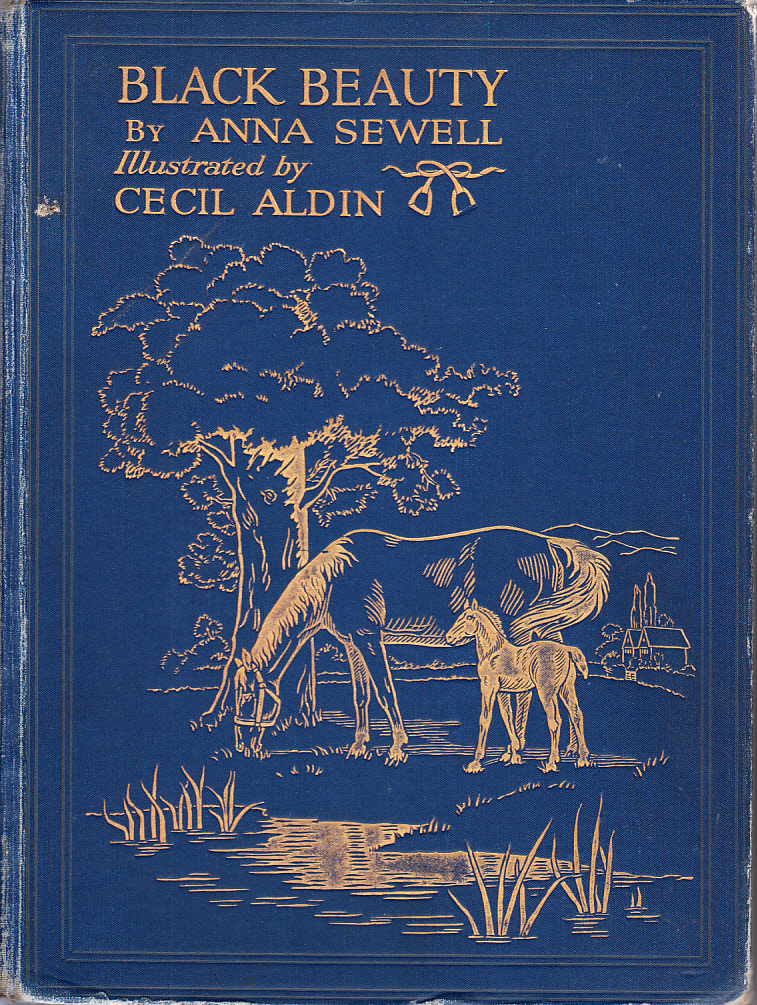
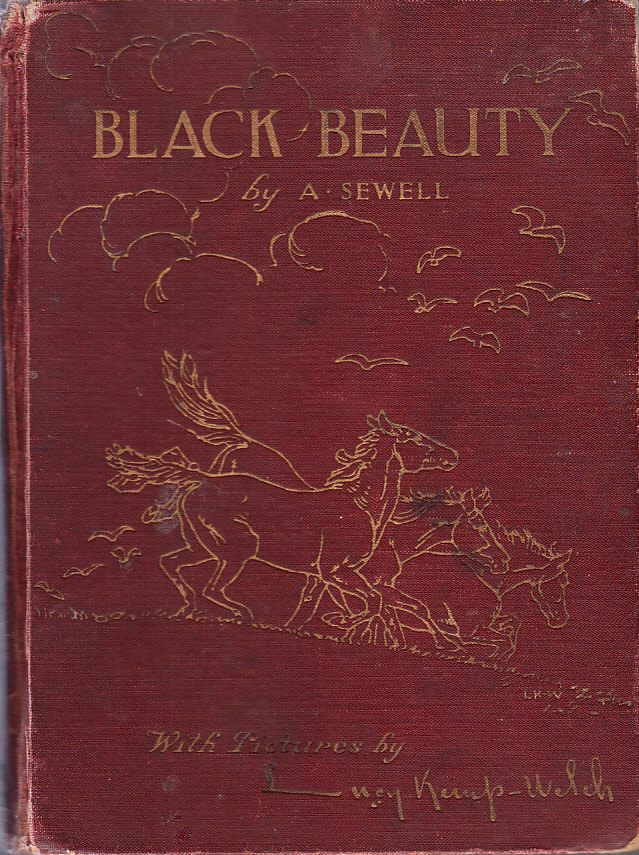
Black Beauty


The 1930s
The earliest pony books told the story of the pony, from the pony’s point of view.
The Don and the Dancer was written by Maud Scrimgeour (1869–1938) in 1907 (Nelson). It was the story of a Dartmoor pony, ‘told by himself’ and was illustrated by E G Ritchie. Maud Scrimgeour was the basis for characters in Oliver and Ducat’s The Ponies of Bunts (1933).
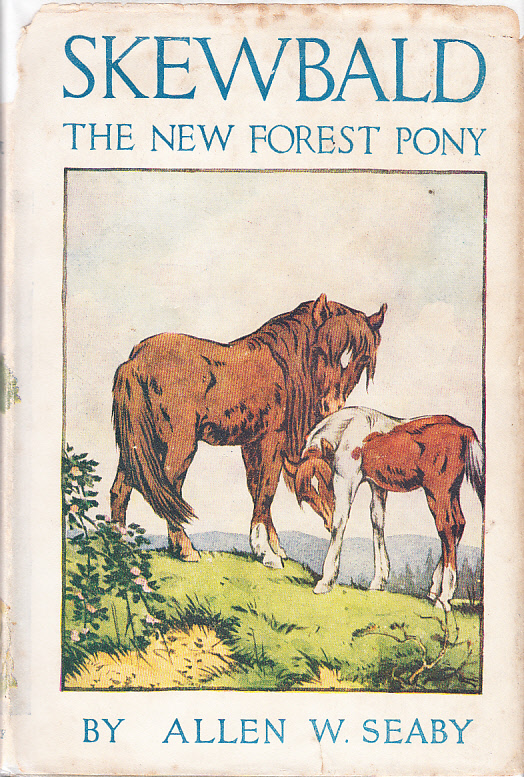
Skewbald, the New Forest Pony. Professor Allen W Seaby (1867–1953) wrote and illustrated several stories about British native ponies. Skewbald (A & C Black, 1923) had two dustjackets. The initial one, showing stallions fighting, led to complaints so was replaced by a more anodyne picture of a mare and foal.
John Thorburn’s Hildebrand (Country Life, 1930, illus ‘The Wag’) is unlike any other pony book. Hildebrand, a tactless and feisty piebald, is cursed to eat only things beginning with ‘h’.
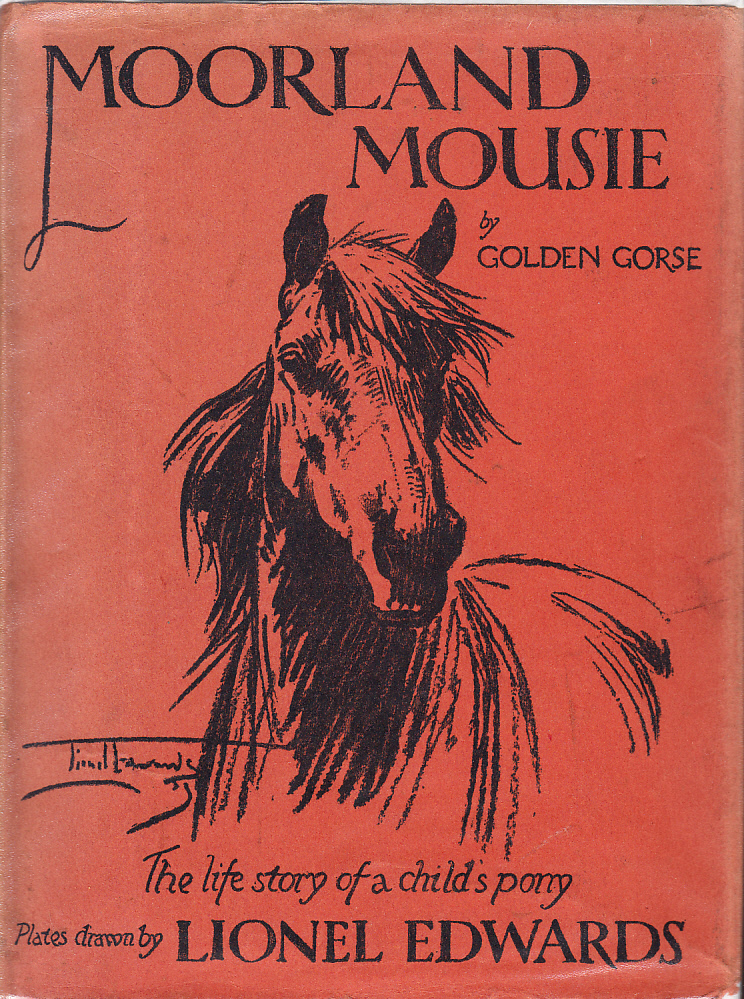
Moorland Mousie is one of the best known horse autobiographies after Black Beauty. Golden Gorse (pseud. Muriel Wace, 1881–1968) published this story of an Exmoor pony in 1929, illustrated by Lionel Edwards (1878–1966). The copy here is the one Lionel Edwards gave to his son, Ken. The inscription reads: ‘To “Ken” from Dad, because his pony was the model for Mousie.’



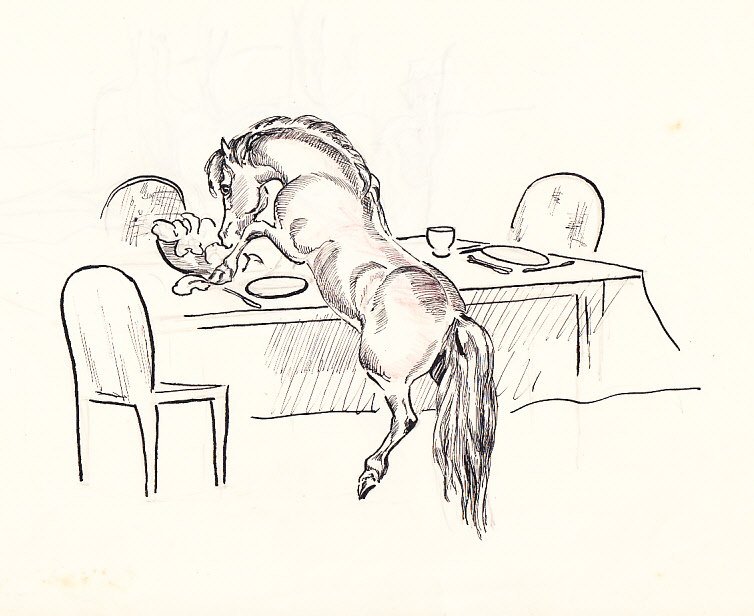
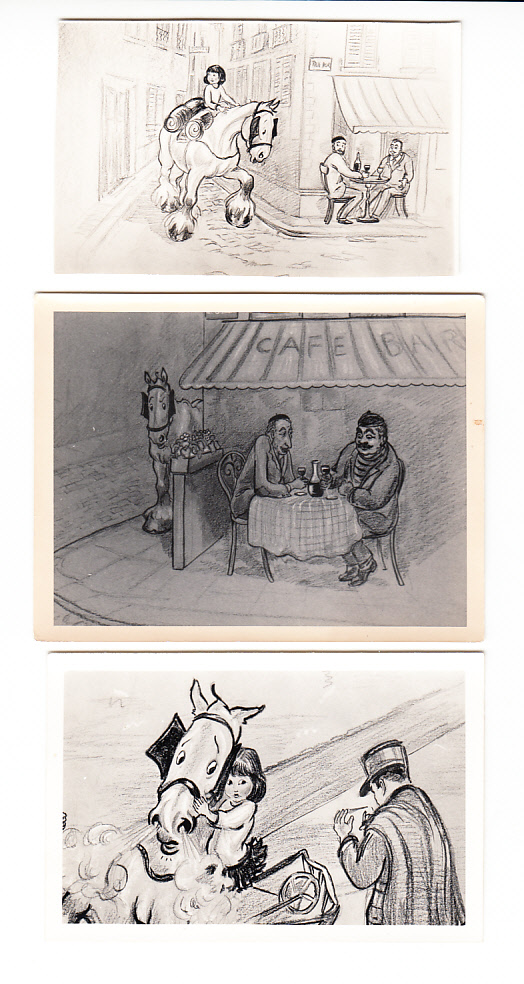
Loïs Castellain and Adolphus
Loïs Castellain (1912–2006) created Adolphus, a bony and opinionated carthorse. Adolphus featured in three books, including Adolphus and Adolphus the TV Horse. He first appeared in the Young Riders’ section of Riding Magazine in 1939, and became a regular feature. In the 1950s, Adolphus had his own TV series.
While Loïs Castellain is not as well known as she could be, she is interesting for the breadth of her work, and for her creation of one of the first horsy television series.


The 1930s
National Velvet
Enid Bagnold (1899–1981) and her husband, Sir Roderick Jones, owned a racing stable. This inspired National Velvet (Heinemann, 1935), illustrated by their daughter, Laurian Jones. Women were not allowed to ride in the National in the 1930s, when Velvet Brown did, and it wasn’t until 1977 that Charlotte Brew and Barony Fort broke that barrier.
The Ponies of Bunts
Marjorie Mary Oliver (1899–1976) and Eva Ducat (1878–1975) wrote some of the earliest pony books focused on children and their adventures. Marjorie lived with the eccentric Scrimgeour sisters (one in railway carriages in Selsey, and one on a farm –Maud Scrimgeour, The Don and the Dancer, 1907) and characters in the series were based on them. The Ponies of Bunts (Country Life, 1933, illus with photographs by MM Oliver).
A Pony for Jean
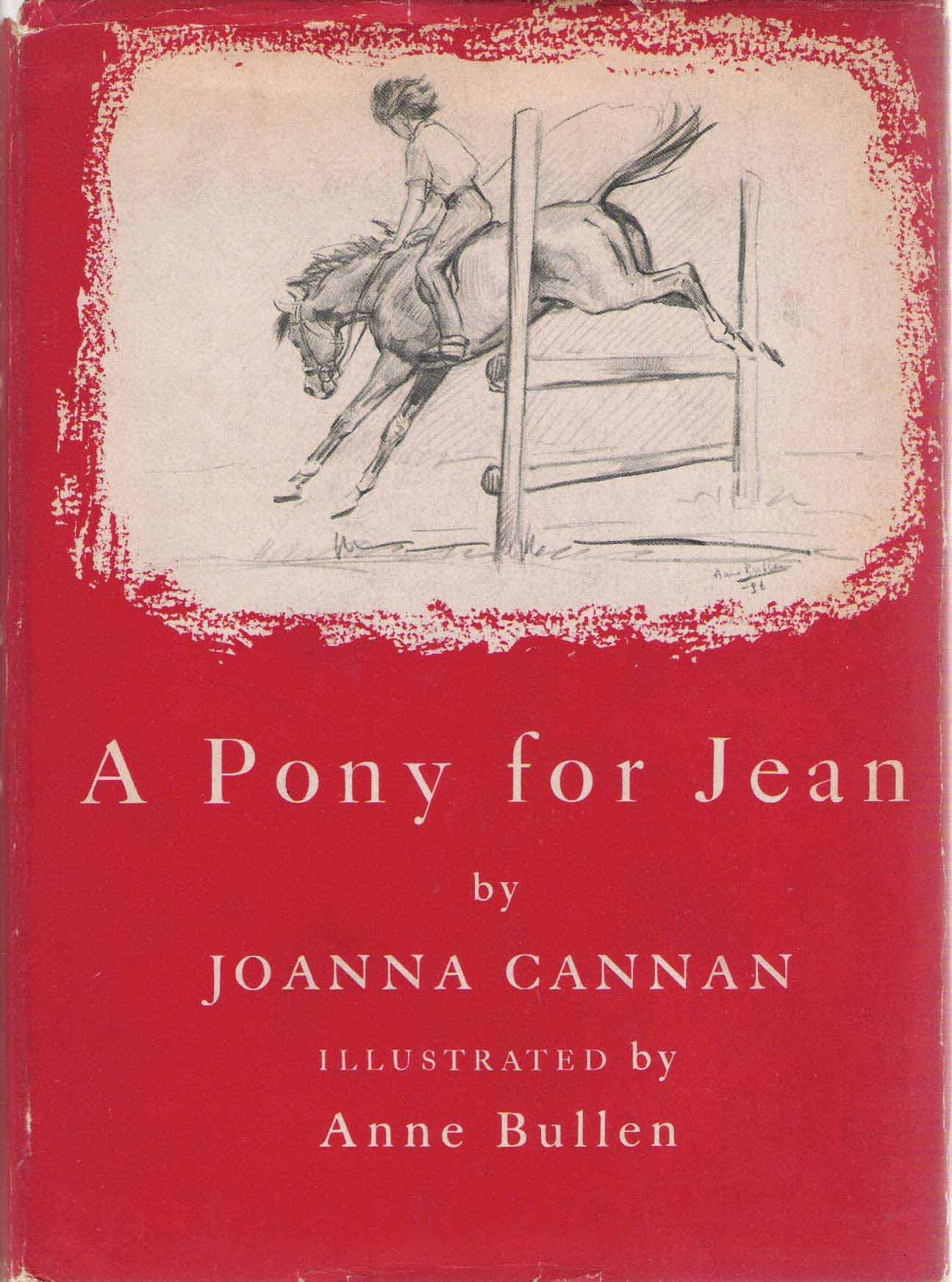
The first book focussing on a girl who gets a pony, and learns to ride it, was Joanna Cannan’sA Pony for Jean (Collins, 1936, illus Anne Bullen). Cannan (1896–1961) started a pony book dynasty: she was the mother of the Pullein-Thompson sisters.
Silver Snaffles
Primrose Cumming (1915–2004) wrote one of the best-loved pony books, Silver Snaffles (Blackie, 1937, illus Stanley Lloyd). “Through the Dark Corner, and the password is Silver Snaffles,” said Tattles, and Jenny entered a world where ponies talked.


Wartime
Silver Eagle Carries On
(Primrose Cumming (1915–2004) , A&C Black, 1940, illus Cecil G Trew). Horses were still requisitioned in WWII, and our heroines resort to desperate measures to save their horses.
We Couldn’t Leave Dinah
Mary Treadgold (1910–2005) was a children’s editor for Heinemann. Deluged with ‘quite frightful’ pony stories, she decided she could do better herself. She wrote We Couldn’t Leave Dinah (Jonathan Cape, 1941, illus Stuart Tresilian) in an air-raid shelter, and it won the Carnegie medal in 1941.
More Ponies for Jean
Josephine Pullein-Thompson (1924–2014) wrote that Joanna Cannan (1896–1961), her mother, ‘shamelessly collected copy’ as the Pullein-Thompsons ran their riding school during the war. More Ponies for Jean (Collins, 1944, illus Anne Bullen) was the result.
Owls Castle Farm Primrose Cumming worked as a landgirl during WWII, and Owls Castle Farm (A&C Black, 1942) was based on her experiences, which were occasionally alarming. One day she was tending sheep, and a bomber crashed in their field.


The 1940s


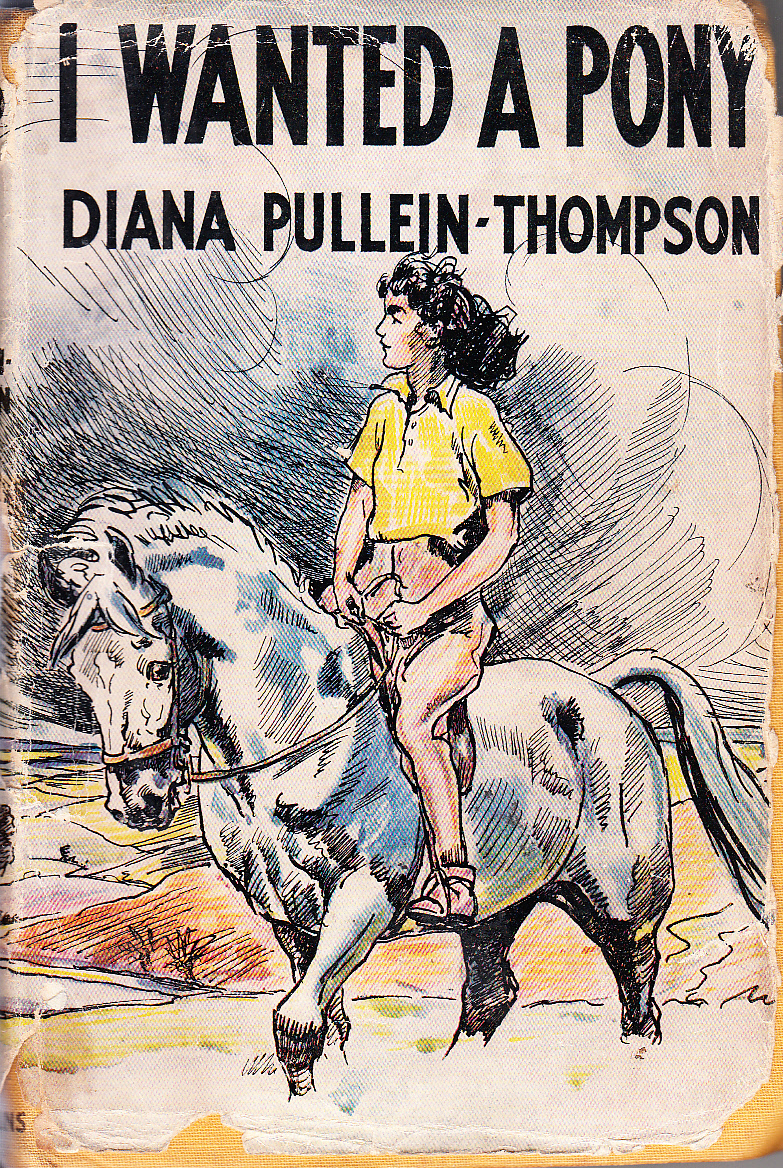


The Jill Books
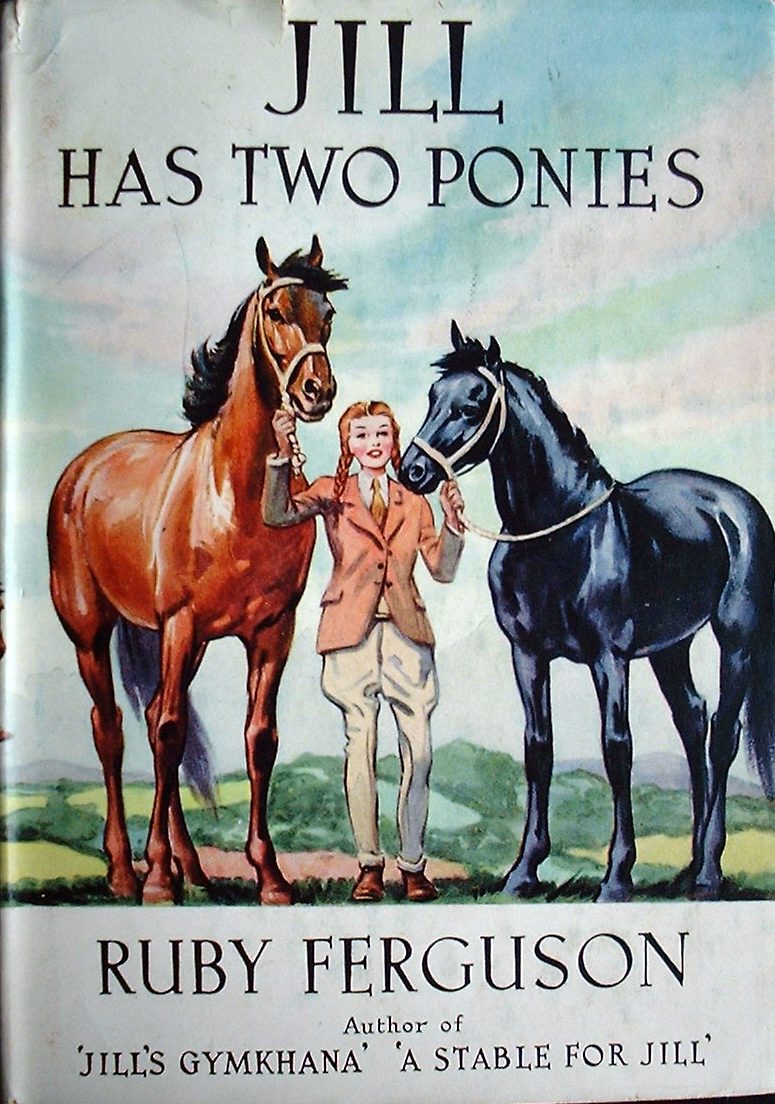
Ruby Ferguson’s Jill’s Gymkhana (Hodder & Stoughton, 1949, illus Caney) was the first of the massively popular Jill series. Ruby Ferguson (1899-1966) wasn’t a horsewoman herself. Her step-granddaughters were very keen, and supplied her with the horsy facts she needed. The series lasted for nine books, all illustrated by Caney.